
how Synergetic Play Therapy helps
Ask a seven-year-old what's wrong and you'll often get "nothing" or "I don't know." They aren't hiding it. Children usually don't have the words yet for big feelings like fear, grief, or anger. What they do have is play. Play is how kids make sense of the world, and in the right setting, it's how they heal.
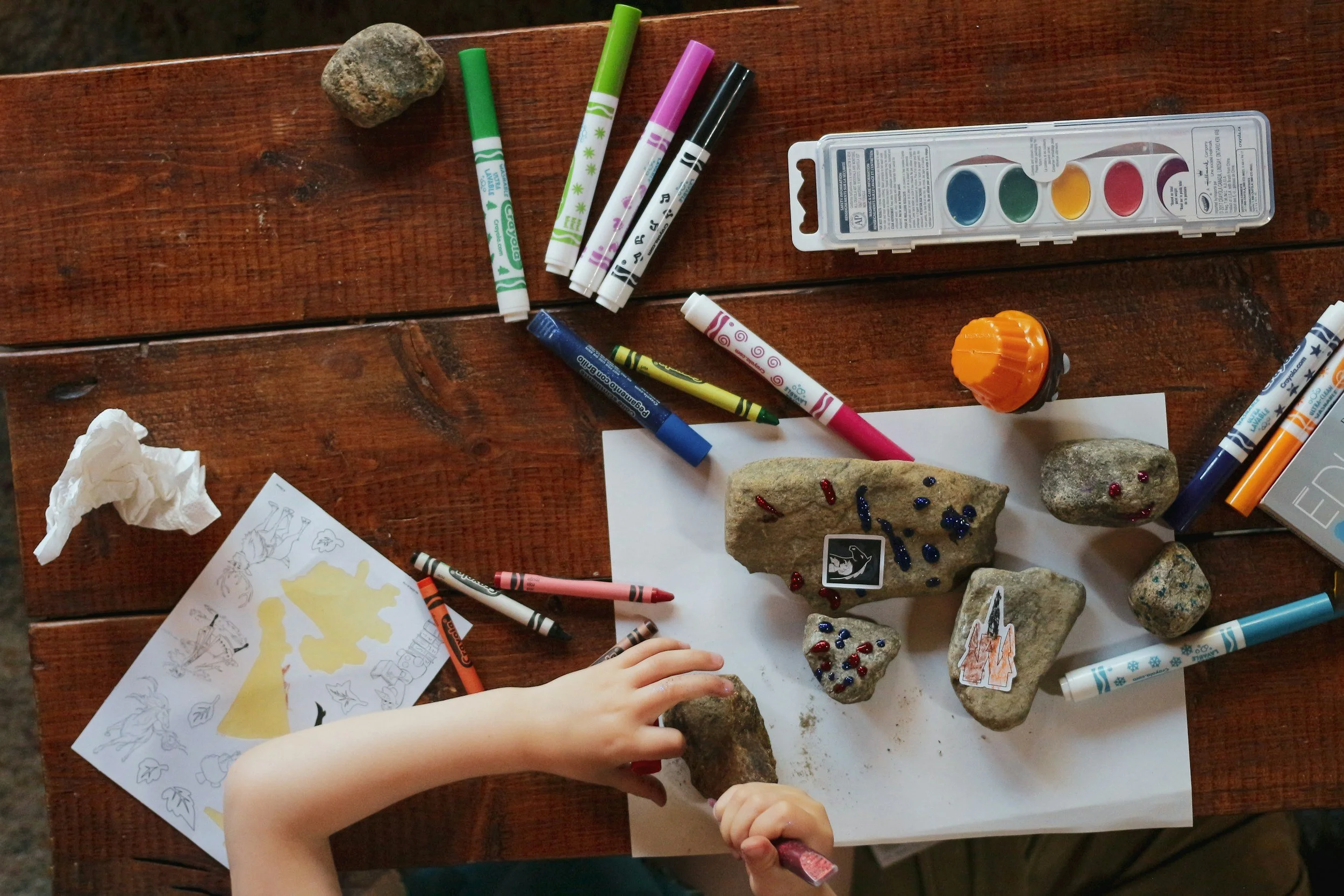
What is play therapy? In play therapy, the playroom is the therapy. A trained therapist uses toys, sand trays, art, and pretend play to understand what a child is going through and help them work through it. A child who can't explain a parent's divorce might act out a family of dolls arguing, then building a safe house. That story is the child's language.
What makes Synergetic Play Therapy different. Synergetic Play Therapy is a model developed by Lisa Dion that blends play therapy with what we know about the brain, nervous system, and attunement. The focus isn't only on what a child plays, but on how their body is regulating while they play. The therapist stays calm, present, and connected while the child moves through big feelings. The therapist also models nervous system regulation and teaches new ways for the child to respond to their challenges. Over time, kids learn by experience that hard feelings can be felt and survived, with someone safe beside them.
Signs a child might benefit:
Big meltdowns that seem out of proportion
Anxiety, clinginess, or new fears
Aggression at home or school
Changes after a move, divorce, loss, or medical experience
Withdrawal, or a child who seems to "hold it together" and then collapses at home
What parents can expect. Sessions usually run 45–60 minutes. Parents are part of the process: your child's therapist will meet with you to share themes they're seeing and give you tools to use at home. Change often shows up first as small shifts: a faster recovery after a tantrum, more words for feelings, better sleep.
One thing to try this week. When your child is upset, try narrating what you see before fixing it: "Your fists are tight. That was really frustrating." Naming the feeling helps a child's nervous system settle, and it shows them their feelings make sense.
Getting started at GMC. Our child and family clinicians work with kids, teens, and parents together, in person in Lakewood.
Know a family who's struggling? Share this with them, or reach us at https://www.greenmountaincounseling.com/.
This is general information, not therapy. If you're in crisis, call or text 988.